Derwent. Part 1
How shepherds and sheep accidentally created a global brand 🐑
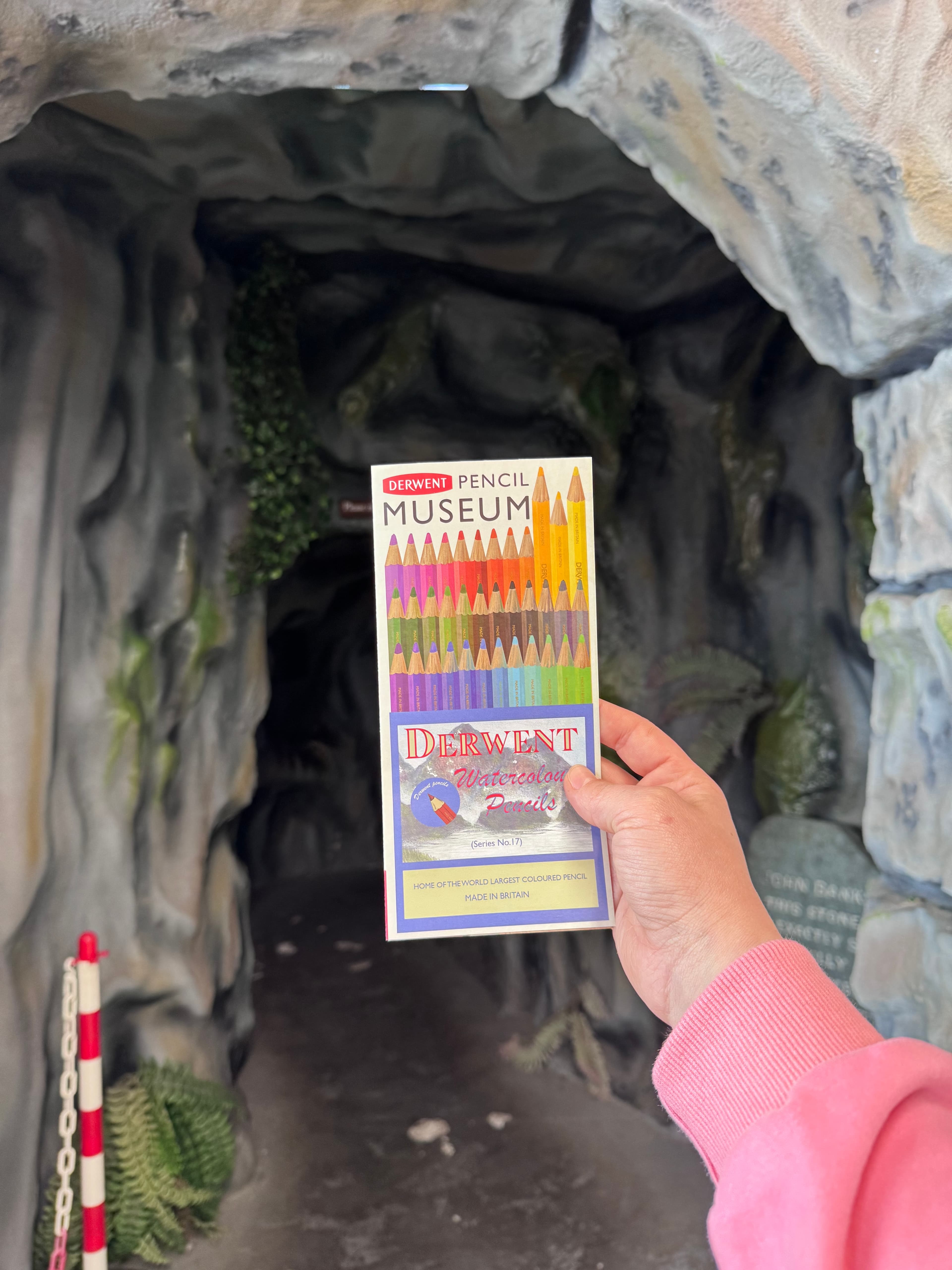
Back in May, I had the pleasure of visiting the Derwent Pencil Museum, nestled right next to the historic factory site in the heart of the Lake District. I stumbled upon a history so utterly fascinating and filled with unbelievable twists that I simply knew I had to share it with you here. Trust me, you’ll never look at a humble pencil the same way again…
In the 1550s, a massive storm in the Borrowdale valley (near the town of Keswick) uprooted century-old trees. Underneath, local shepherds discovered a strange black mass. At first, they thought it was coal, but it wouldn’t burn. Instead, they found it incredibly useful for… marking their sheep! This turned out to be the world’s only deposit of pure, solid graphite.
Back then, people didn’t know it was graphite and called it “plumbago” or “black lead.” Because of its exceptional purity, it was incredibly valuable (it was even used to line moulds for cannonballs). Locals would steal graphite from the mines to sell on the black market, forcing the government to post armed guards at the mine entrances.
Eventually, people figured out how to encase the graphite in wood. The official Cumberland Pencil Company opened its doors in Keswick in 1832. The premium artists’ brand we know as Derwent (named after the local River Derwent and Derwentwater lake) was introduced later, in 1916, and their first coloured pencils debuted in 1938.
KKarina.
Thanks for reading. New notes land every few weeks.